
Hub Centric Rings Explained: Centre Bore & Fitment Guide
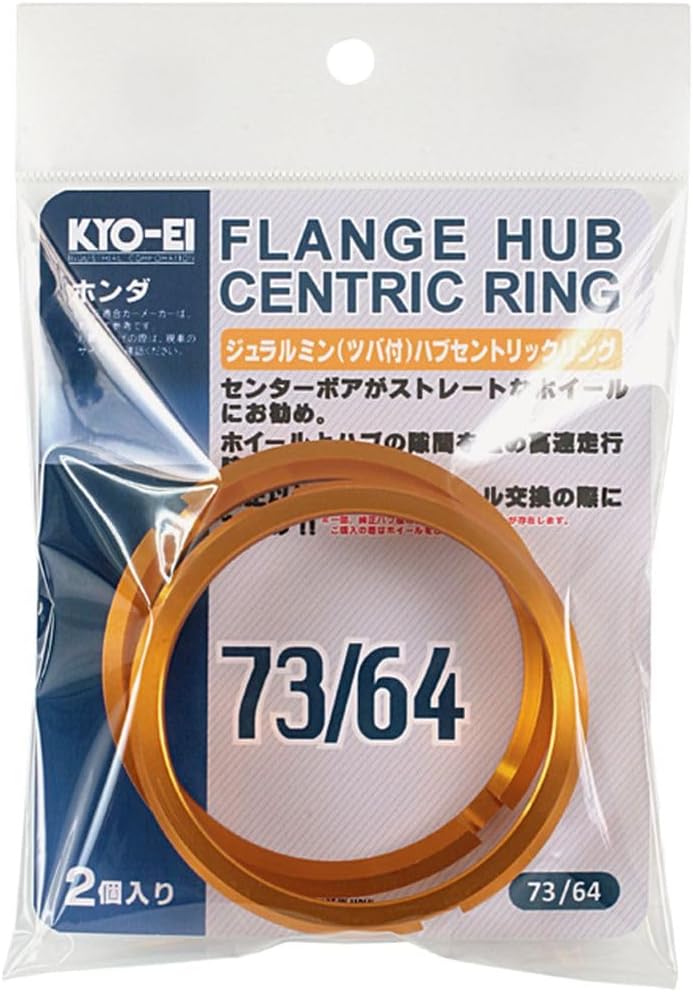
Hub-centric rings are one of the simplest parts of an aftermarket wheel setup, but they are also commonly misunderstood. The key job of a hub ring is to fill the gap between the wheel centre bore and the vehicle hub so the wheel can sit concentrically during installation.
What is a hub-centric ring?
An aftermarket wheel often uses a centre bore that is larger than the vehicle hub. A hub-centric ring matches those two diameters: the outside diameter fits the wheel centre bore and the inside diameter fits the vehicle hub.
For example, a ring described as 73.1/56.1 is designed for a wheel with a 73.1 mm centre bore and a vehicle hub measuring 56.1 mm. Both measurements must be correct for the ring to fit properly.
Do you always need hub rings?
No. If the wheel centre bore already matches the vehicle hub, an additional ring is generally not required. If the aftermarket wheel has a larger centre bore, the correct ring can make installation easier and help prevent centring-related vibration caused by the wheel sitting slightly off-centre while the nuts or bolts are tightened.
Hub rings do not replace correct wheel nuts, bolts, torque procedures, PCD, offset, tyre clearance or brake clearance. They are one part of the overall fitment.
How to choose the correct size
- Confirm the wheel centre bore. Use the wheel manufacturer's specification or the exact product listing rather than guessing from brand alone.
- Confirm the vehicle hub diameter. This varies by vehicle and generation.
- Match both measurements. The first number is typically the wheel-side diameter and the second number is the vehicle-side diameter.
- Check ring construction and fit. The ring should seat correctly without forcing it into the wheel or leaving excessive movement.
HausofWheels carries several hub-centric ring options, including genuine KYO-EI and SSR rings plus selected aluminium sizes for compatible aftermarket wheels.
KYO-EI, SSR and other hub-ring options
The exact ring depends on the centre bore used by the wheel. Some Japanese wheel brands use common aftermarket bore sizes, while certain SSR applications require a different outer diameter. Always select the ring from the actual wheel and vehicle measurements rather than assuming all wheels from one brand are identical.
See the current KYO-EI Hub Centric Rings listing for available sizes, or browse all wheel accessories.
Can the wrong hub ring cause problems?
A ring with the wrong outer diameter will not seat properly in the wheel. A ring with the wrong inner diameter may not fit the vehicle hub correctly. Either situation means the wheel should not be installed using that ring.
If you are experiencing vibration after changing wheels, also check tyre balance, wheel condition, mounting surfaces, wheel nuts or bolts, torque, tyre condition and the wheel itself. A hub ring only addresses the centre-bore-to-hub interface.
Hub rings and wheel fitment
Correct hub-ring sizing does not mean the wheel automatically fits the car. You still need to confirm:
- PCD / bolt pattern
- wheel width and offset
- centre bore
- spoke-to-brake clearance
- inner suspension clearance
- outer guard clearance
- tyre size
- correct wheel nuts or bolts
If you are unsure about PCD, read our wheel PCD explained guide. For width and offset, see the wheel offset explained guide.
Need help choosing the right hub rings?
Send HausofWheels your vehicle, wheel brand, wheel model, PCD and centre-bore information and we can help narrow down the correct accessory. Contact HausofWheels or browse the current genuine JDM wheel range.