
Wheel Width Explained: 8J, 8.5J, 9J, 9.5J & 10J
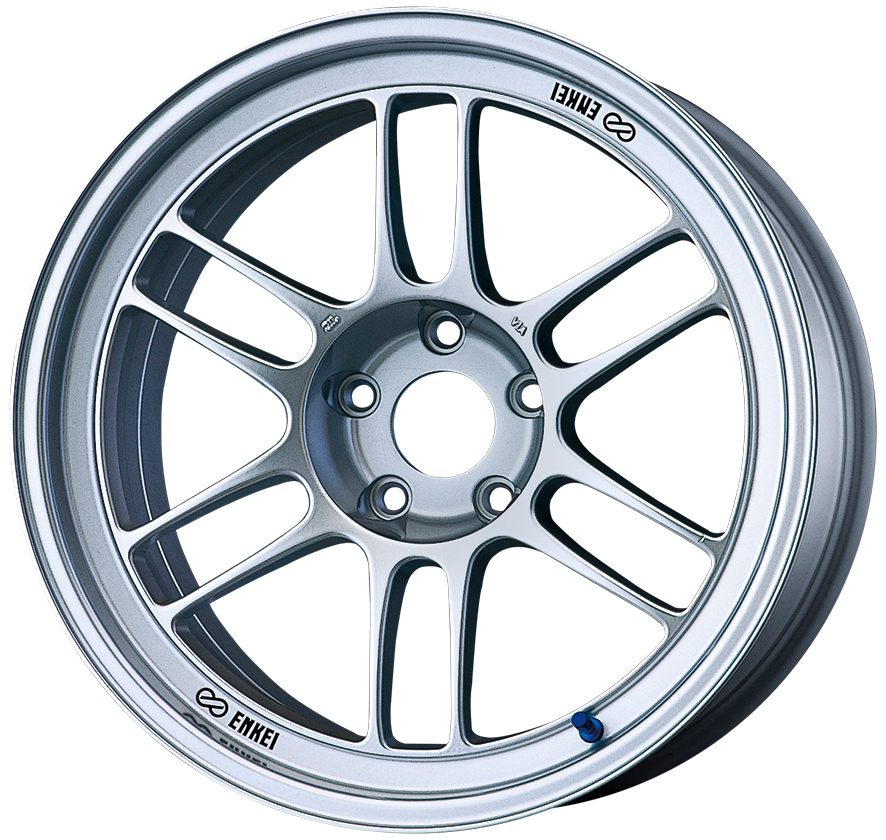
Wheel width is one of the most important fitment measurements, yet it is often discussed only after diameter and offset. Sizes such as 8J, 8.5J, 9J, 9.5J and 10J describe increasingly wider rims, and each step changes tyre compatibility, inner suspension clearance and how far the wheel and tyre sit toward the guard.
What does the “J” mean?
In common wheel-size notation, the number is the nominal rim width in inches and the letter identifies a rim-flange profile. So an 18x9.5J wheel is nominally 9.5 inches wide between its bead seats. The “J” itself does not mean inches.
The physical wheel is wider than the nominal bead-seat width when the outer flanges are included, which is one reason measurements should not be taken from the outside edges and compared directly with the nominal size.
Common performance wheel widths
- 8J – commonly used where tyre clearance, ride quality and a relatively conservative fitment are priorities.
- 8.5J – adds width without the packaging demands of a much wider setup.
- 9J – common on performance-oriented fitments where wider tyres are desired.
- 9.5J – a very common enthusiast size on platforms with sufficient guard, brake and suspension clearance.
- 10J and wider – often used on cars designed for wide rear tyres or more aggressive performance and styling setups.
These are general descriptions, not universal vehicle recommendations. The correct width depends on the exact car and tyre.
How much does an extra half-inch change fitment?
Half an inch equals 12.7 mm. If offset stays exactly the same, increasing wheel width by 0.5 inch adds roughly 6.35 mm of rim width to the inner side and 6.35 mm to the outer side.
For example, moving from 9J +38 to 9.5J +38 makes the rim approximately 6.35 mm closer to the suspension and approximately 6.35 mm further toward the guard. Moving from 9J to 10J at the same offset adds roughly 12.7 mm on each side.
This simple calculation is useful for comparison, but real clearance also depends on tyre sidewall shape, wheel design, brake package and suspension geometry.
Width and offset must be compared together
A wider wheel with a higher positive offset may place its outer edge in a similar position to a narrower wheel with a lower offset, while changing the inner clearance substantially. This is why “what offset fits?” is incomplete without knowing the wheel width.
Use our wheel offset guide alongside this article when comparing two setups.
Wheel width and tyre width
Tyre size should not be chosen from wheel width by a single universal rule. Every tyre model has an approved rim-width range published by the tyre manufacturer, and two tyres carrying the same nominal size can have different measured section widths and shoulder shapes.
A tyre that is too narrow for a wheel can produce excessive stretch and reduced rim protection. A tyre that is too wide can create unwanted sidewall bulge or additional clearance problems. Always check the tyre manufacturer's approved rim range for the exact tyre model.
Why 9.5J is popular on 5x100 and 5x114.3 cars
Many enthusiast vehicles have enough room to consider 9- to 9.5-inch wheels when the offset and tyre are suitable. This is why sizes such as 18x9.5 appear frequently across performance wheel ranges. However, a 9.5J wheel that is straightforward on one platform may be aggressive or unsuitable on another.
For examples, see our GR86 & BRZ fitment guide, WRX/STI 5x114.3 guide and Evo 7/8/9 guide.
What else to check before going wider
- strut or coilover clearance;
- upper control arms and suspension links;
- brake-caliper spoke clearance;
- guard and bumper-tab clearance under compression and steering;
- tyre sidewall width and shoulder shape;
- alignment settings and ride height;
- front-to-rear rolling diameter on AWD vehicles.
Choosing the right width
Choose wheel width as part of a complete package rather than in isolation. Start with your vehicle, intended tyre, suspension and brake setup, then select an appropriate width and offset together.
Browse current genuine JDM and performance wheels, or use the HausofWheels fitment library for a vehicle-specific starting point.
Fitment varies by vehicle specification and modifications. Confirm the exact wheel and tyre combination before purchase.